
Why does every full moon have a different name?

Those looking to the night skies tonight or tomorrow night will be treated to the upcoming “buck moon”. This special moon is the term for July’s full moon, and officially reaches 100% illumination at 4:37 pm this Thursday. While, contrary to the name, the moon won’t be shaped like a deer or a couple of dollars, there is some interesting history behind why the moon is named this way.
It seems that with every passing month, the moon is given a different name by astronomers and space watchers alike. This is the case, and the names of each full moon are rooted in deep tradition. These names came from multiple sources, but typically, they come from indigenous culture, the colonial times, and the yearly cycle of nature. In these days, especially for Native Americans, there were no calendars, so this was a vital way to keep track of time. For July, the Buck moon is named after the time when male deer, or bucks, begin to grow a new pair of antlers during their breeding season.
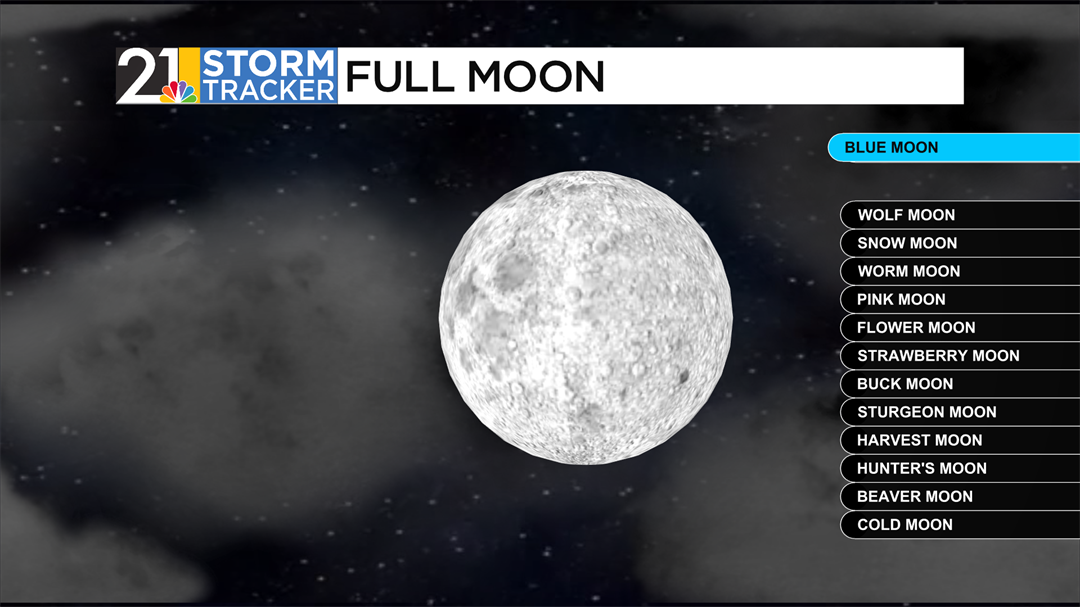
All in all, each month gets a name derived from tradition and nature. Explanations for each month’s name are below:
January: In the dead of climatological winter, the dominant animal heard throughout the outdoors was the wolf. Packs would howl outside Native American villages, leading to tribes naming this the Wolf Moon.
February: In another cold, snowy month across North America, tribes and other groups associated this moon with the Snow Moon. Different groups have given this moon other names, such as the Hunger Moon in relation to tough hunting conditions, or the Bald Eagle Moon.
March: As winter tapers, the ground softens in cold climates. Named for the slithery animal that would emerge from the soil, the Worm Moon is the month’s full moon.
April: The Pink Moon is the celebration of April’s full moon, with the arrival of wildflowers such as pink phlox or grass pink.
May: Continuing the flora trend, the month of May welcomes much more bloom in the wild, hence the month’s moon being named the Flower Moon.
June: In another nod to ripening plants and flora, this month was typically the harvest of wild strawberries. For this reason, the month’s full moon is called the Strawberry Moon.
August: While tribes were waiting for food to harvest, they were hunting during the heat of the summer. Some groups were hunting for a specific type of fish found in Northern lakes, such as Erie or Champlain, called the Sturgeon. This is the basis for the month’s moon, the Sturgeon Moon. Those tribes who did not hunt for this type of fish called the moon the Red Moon or the Grain Moon.
September & October: These two months were centered around the annual harvest of crops such as pumpkins, corn, and grains. Additionally, the fall equinox almost splits these two months, leading to a seasonal name. Between the two months, whichever full moon falls closer to the autumnal equinox will be called the Harvest Moon. If September’s moon is the one away from the equinox, it is called the Corn Moon. If October is further away, it is called the Hunter’s Moon. This year, the Harvest Moon will be in October, as its full moon comes on October 6th, about two weeks after the equinox falls in late September.
November: As cold weather approaches, both people and animals must prepare for winter. One of the most notable critters to fortify are beavers, who build and repair their dams before the chill sets in. Additionally, fur trading season peaked around this time. For this reason, the month’s full moon is the Beaver Moon.
December: This is a very self-explanatory full moon that is named after the characteristics of the season it represents. The last full moon of the year is regarded as the Cold Moon.
These naming conventions are owed to the fact that the lunar calendar (or the time it takes for a moon to complete its cycle) is extremely similar to our standard calendar, where each lunar month is approximately 29.5 days. This can lead to the rare Blue Moon, or the appearance of two full moons during a single month. This typically only occurs every two and a half years. The next time this will happen in our area is on May 31st, 2026.
