
The dog days of summer: What's behind the name and when is it?
It’s a term that puts into perspective the warmest, most humid time of the year. The dog days of summer are known for the time to get outside, sweat, and take a dip in the pool. However, the name itself is not a nod to our furry friends, as its history goes way back to the early days of human civilization.
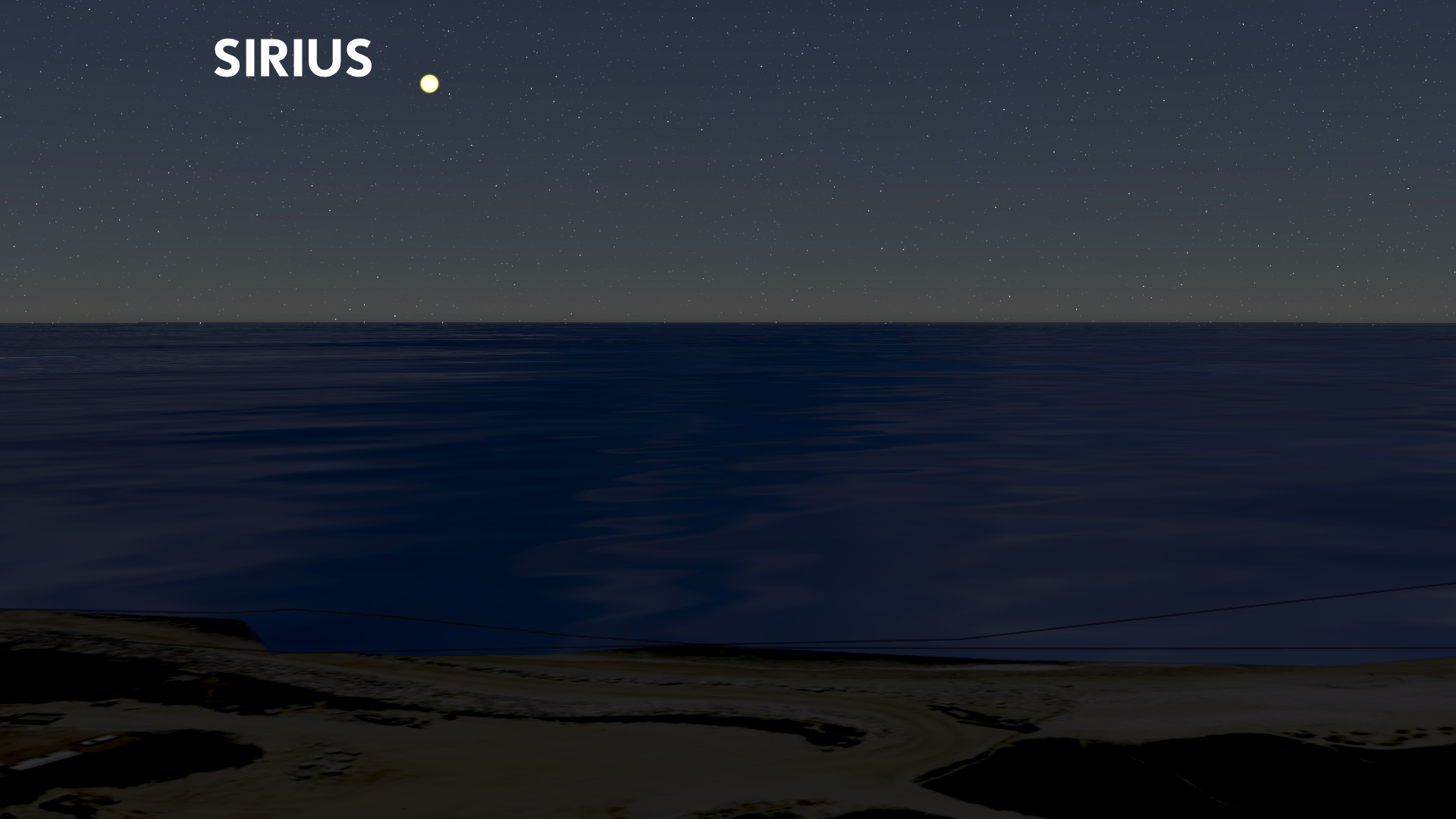
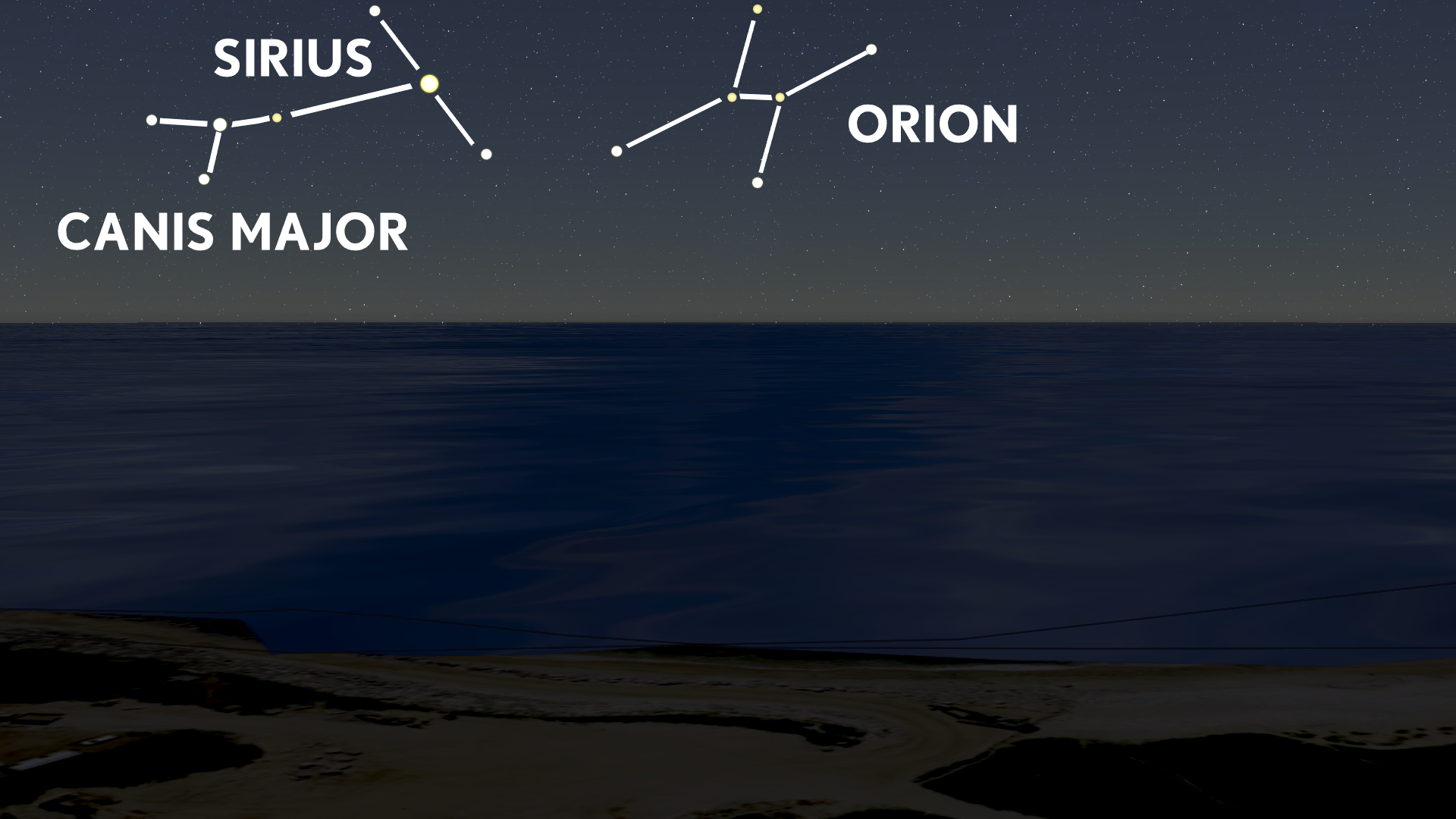
Located in the nighttime sky, Sirius is the brightest star other than the sun that we can see with the naked eye. From our point of view in the Valley, you can see it on any clear night between the late-summer and early spring months. The star is part of a larger constellation called Canis Major, or “the greater dog” in Latin. Beside this starry spectacle, Orion, another constellation considered part of a warrior by several cultures, lies. In constellation lore, Canis Major was one of Orion’s hunting dogs and would follow him in battle.
Because of Sirius’s brightness, it was very easy for early civilizations around the world to track the star. However, it was not as simple as the star being in one spot of the sky all year, as the Earth orbits the sun and tilts on its axis. This means that throughout the year, the star would be seen at different positions in the sky and at other times, much like how our Sun rises at various times and locations throughout the year.
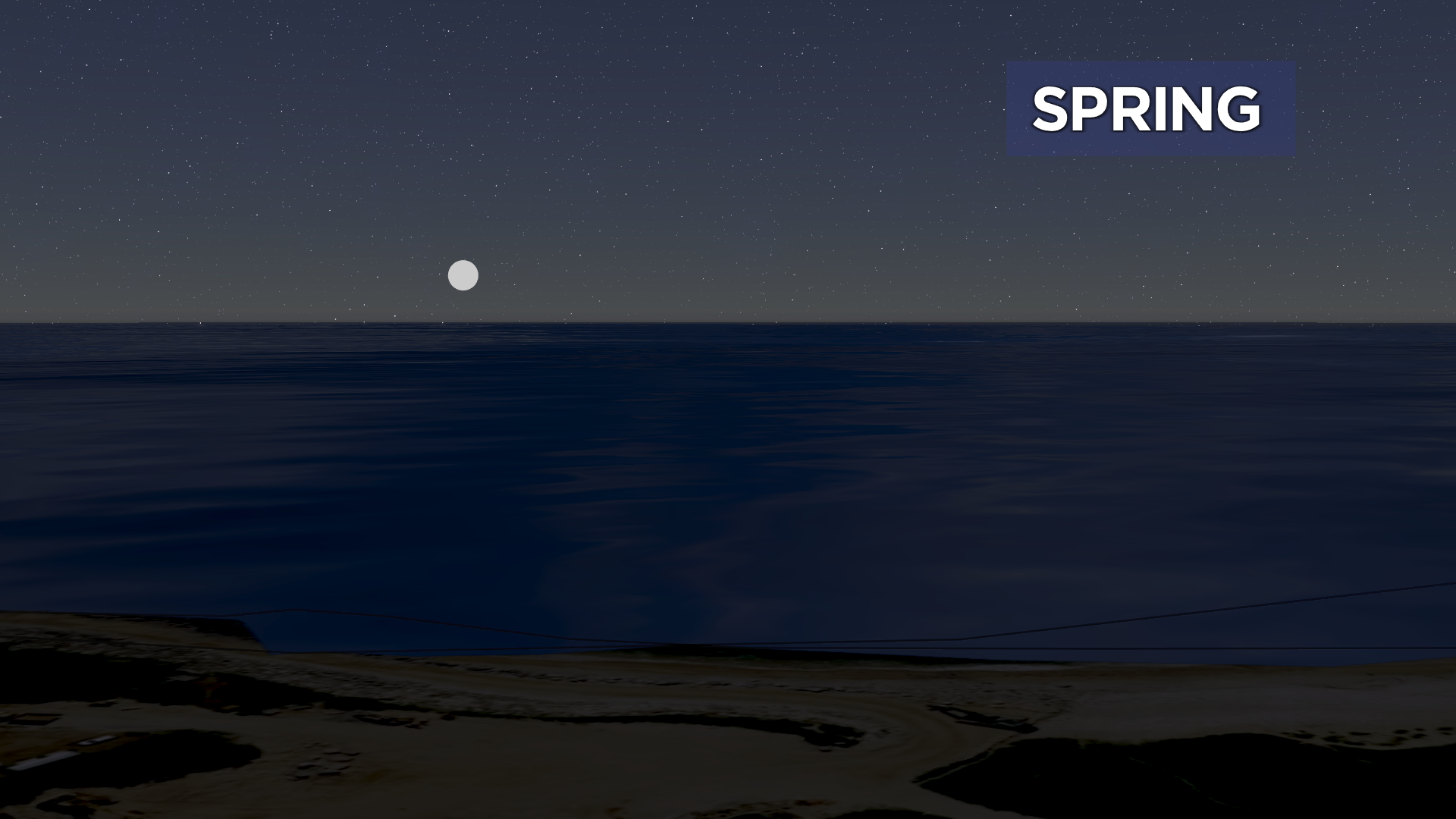
Throughout the year, those looking towards the south to southwest could see Sirius and the rest of Canis Major in the evening and overnight hours. From this, they could tell that if they were following the star, they would be heading in that same direction. However, by early spring, Sirius would disappear for those observing in the Northern Hemisphere. By July and August, the star would again be visible to those in the pre-dawn hours with the naked eye. At this time, the star would rise around the same time that the sun would rise.
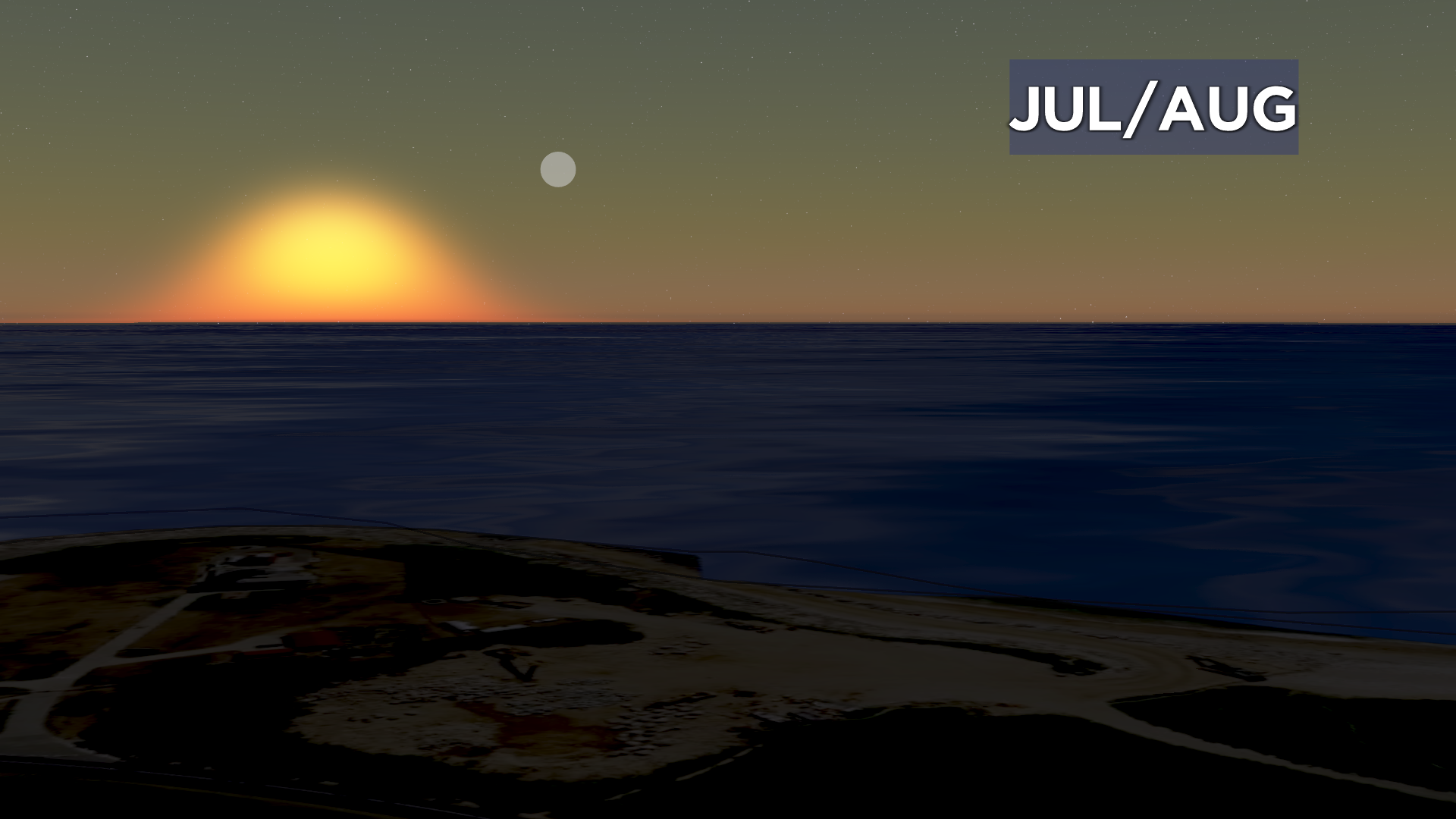
Though the star would get drowned out by the sun’s light during the daytime, ancient astronomers knew the star was still there and assumed that the star added some heat on top of the sun to make it the hottest time of year. While they were right that this overlapped the warmest time of year climatologically, they did not know that Sirius is located over eight light-years, or 50 trillion miles, away, which would lead to zero impacts on our climate on Earth.
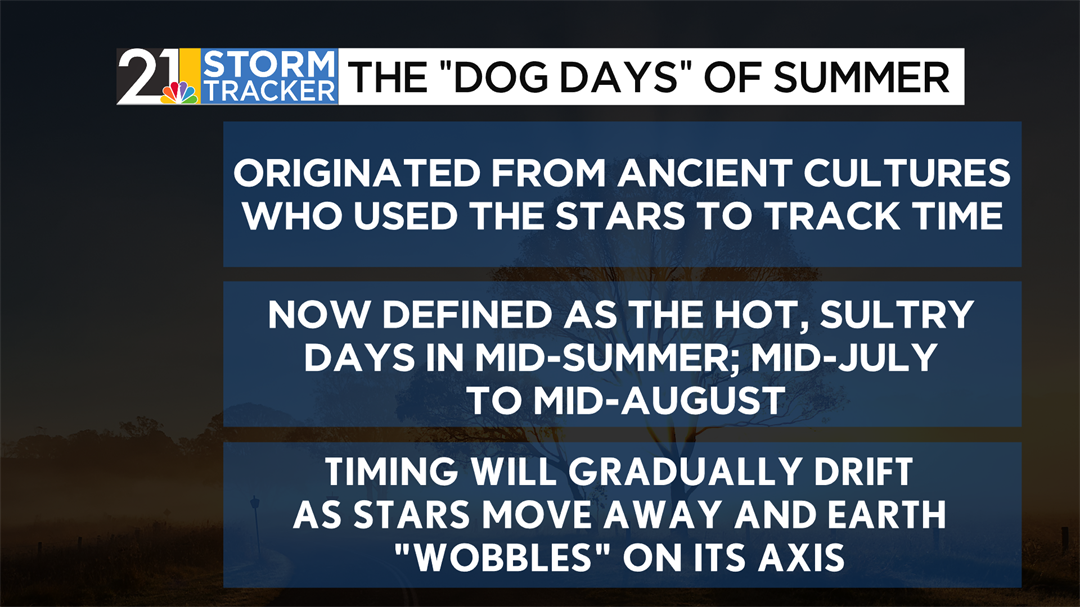
Though this had a strong astronomical significance, people today usually refer to this period as a time of unusual heat and humidity. The star’s rise differs based on latitude. In Ancient Egypt and Mesopotamia, the rise of Sirius would occur around July 19th; however, further north, such as in Youngstown, observers won’t be able to see the rise until August 11th. For this reason, today’s Dog Days are generally defined as mid-summer, between mid-July and mid-August.
Earth’s orbit and rotation aren't the only ways stars in the sky can move. On the time scale of thousands of years, each star that makes up the Orion or Canis Major belts moves in its own direction. This could mean that the constellations we know today could be unrecognizable far into the future, and occur in completely different seasons. Maybe in the next tens of thousands of years, it will be the dog days of winter!
