
Weather 101: The morbid side of meteorology
Mother Nature can provide us with some spectacular sights- from stunning sunsets to tropical dance parties, the weather on Earth can be truly magnificent. However, a mix of strong, impactful weather with a lack of preparation can cause a tragic loss of life.
Since the start of time, humans have had to deal with unpredictable weather. With the advent of modern technology and strengthened communication, death has become a vastly less common consequence of most types of weather. However, across the country, hundreds of folks still fall victim to Mother Nature each year.
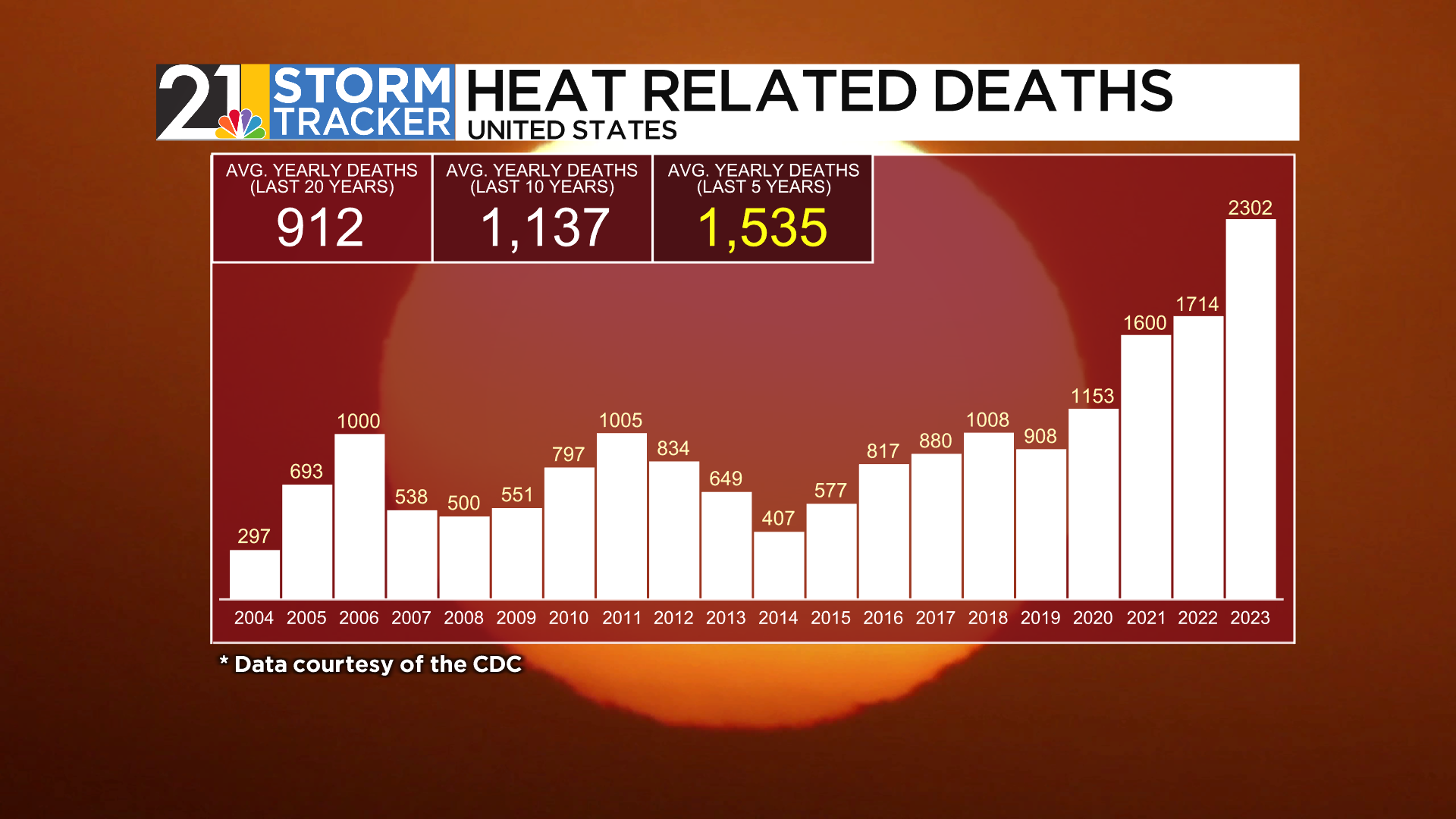
Heat has been the most common killer for several years. Compared to other sudden weather events, such as hurricanes, tornadoes, and thunderstorms, extreme heat can be disregarded by many. Heat can also exacerbate many underlying health concerns. Last year, “heat-related” deaths (as classified by doctors across the 50 states and Washington, D.C.) totaled over 2,300 in 2023, an all-time high. This number has been steadily rising over the last ten years, with a 20-year average of just over 900 deaths.
The National Oceanic and Atmospheric Administration (NOAA) defines heat-related deaths differently, though it is still the perennial top cause for folks to lose their lives via weather. The government organization defines weather-related deaths in nine ways, from heat-related instances to wintry causes and oceanic ones. Floods and flash flood events, due to the surprising nature of these, are a typical second-place finish.
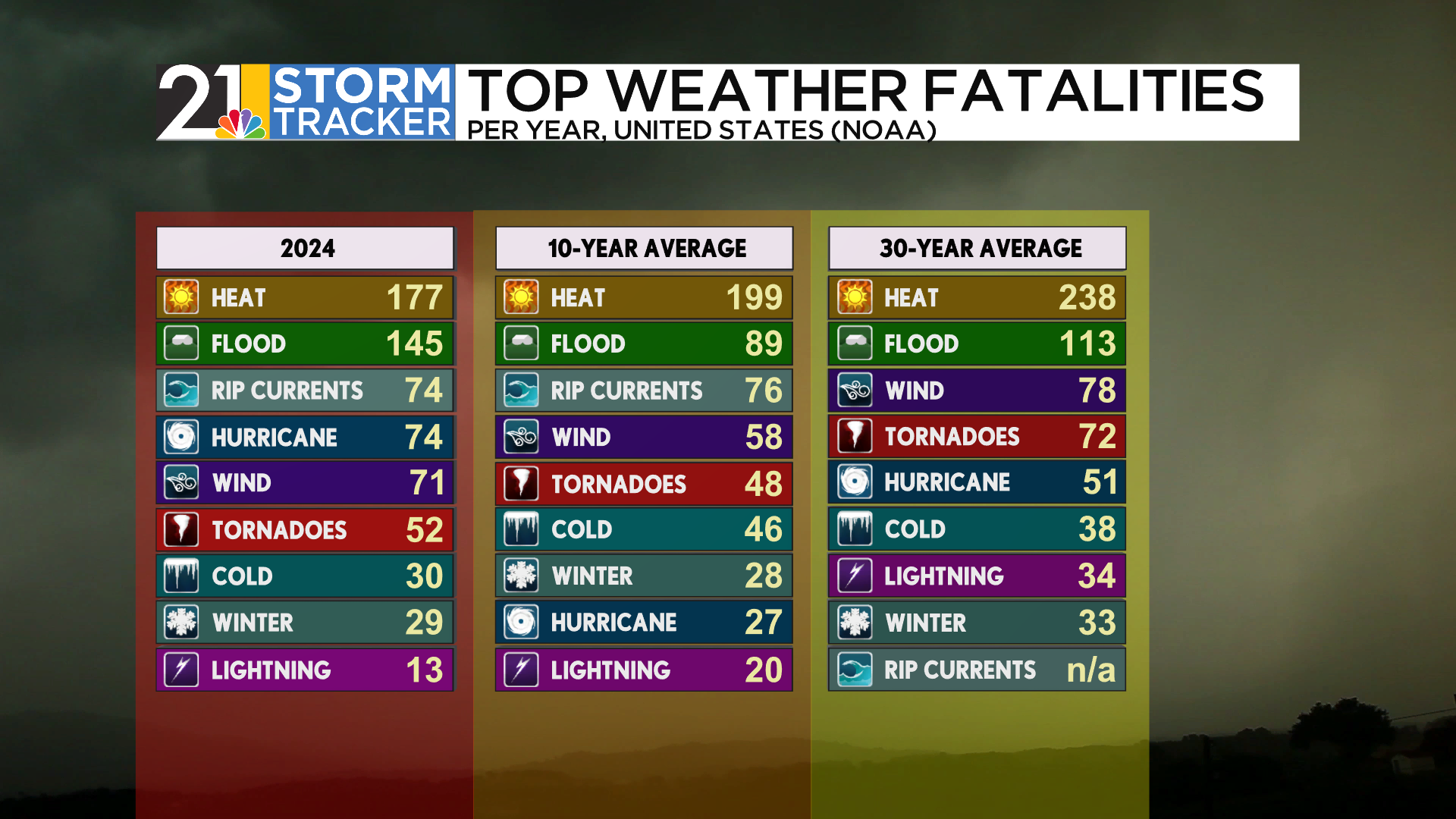
Rip currents are another example of a non-sudden event that can surprise many people. The phenomenon has only been tracked for about the past fifteen years, though it typically claims a little less than 100 lives each year.
Other impactful weather phenomena, such as hurricanes, tornadoes, and winter storms, are common causes of death but less predictable on a year-to-year basis. That’s because these storms’ tracks and frequencies can vary over different locations. For example, hurricanes claimed 74 lives last year thanks to an extremely impactful season. In 2023, this number was only three.
Lightning, the subject of endless fear and speculation from many people, is usually the lowest-noted weather-related cause of death in the United States, averaging just 20 deaths per year over the last 10 years.
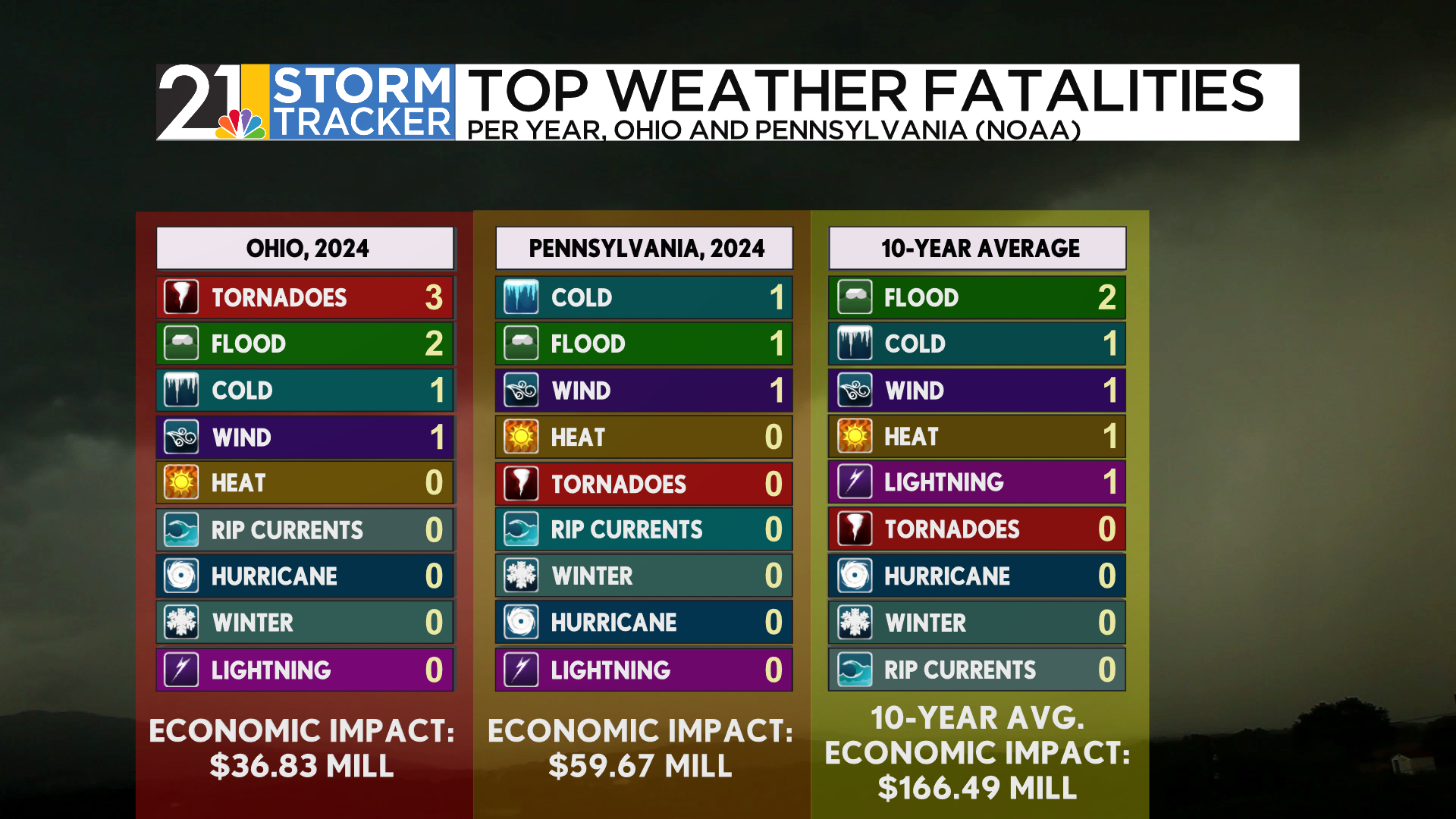
Tornadoes were the leading cause of death in the Buckeye State last year, thanks to an EF-3 tornado that tracked in Auglaize and Logan Counties, South of Toledo. This was a rare sight, though, as tornado deaths are quite rare in both Ohio and Pennsylvania. Floods kill an average of two people per year in both states, with heat, frigid cold, lightning deaths, and wind also capable of ending people’s lives. Direct hurricane and rip current deaths are not expected or commonly seen in either state.
With the advent of fast, global communication, it has become much easier to prepare for and avoid bouts of threatening weather. Here are a few ways you can prepare, rather than react, to inclement weather.
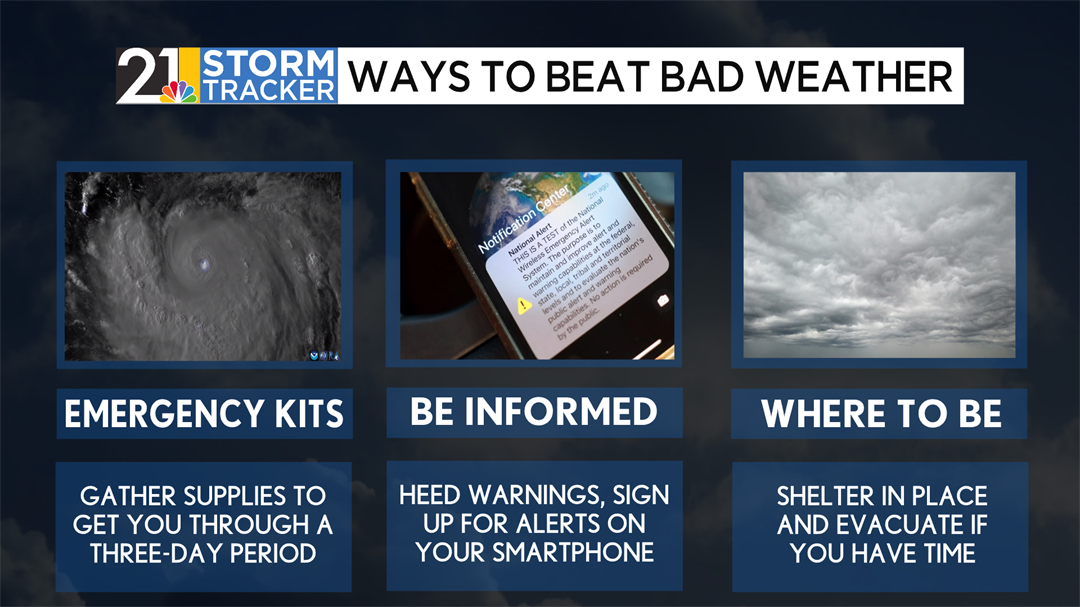
Contrary to hurricanes or thunderstorms, some types of weather can be a surprise, such as events like the overnight Flash Floods in Texas in July. In situations like this, it is imperative to have both a method to warn you and a method to keep you armed and ready. Preparing emergency kits with water, non-perishable food, flashlights, and a weather radio will give folks a better chance of having the necessary supplies and comfort before they can either go to or get help. Signing up for alerts from the National Weather Service (NWS) and getting notifications from the U.S. Wireless Emergency Alert (WEA) system allows alerts to be blended into your daily life. In times of surprise, grave danger, such as with an imminent tornado threat, be sure to know where to shelter in place and for how long. In cases of expected danger, such as a winter storm or a landfalling hurricane, it would likely be best to proactively prepare and evacuate the area safely.
One of the best ways locally to prepare for inclement weather is to follow us on social media and download the Storm Tracker 21 app for consistent weather-related updates and news.
